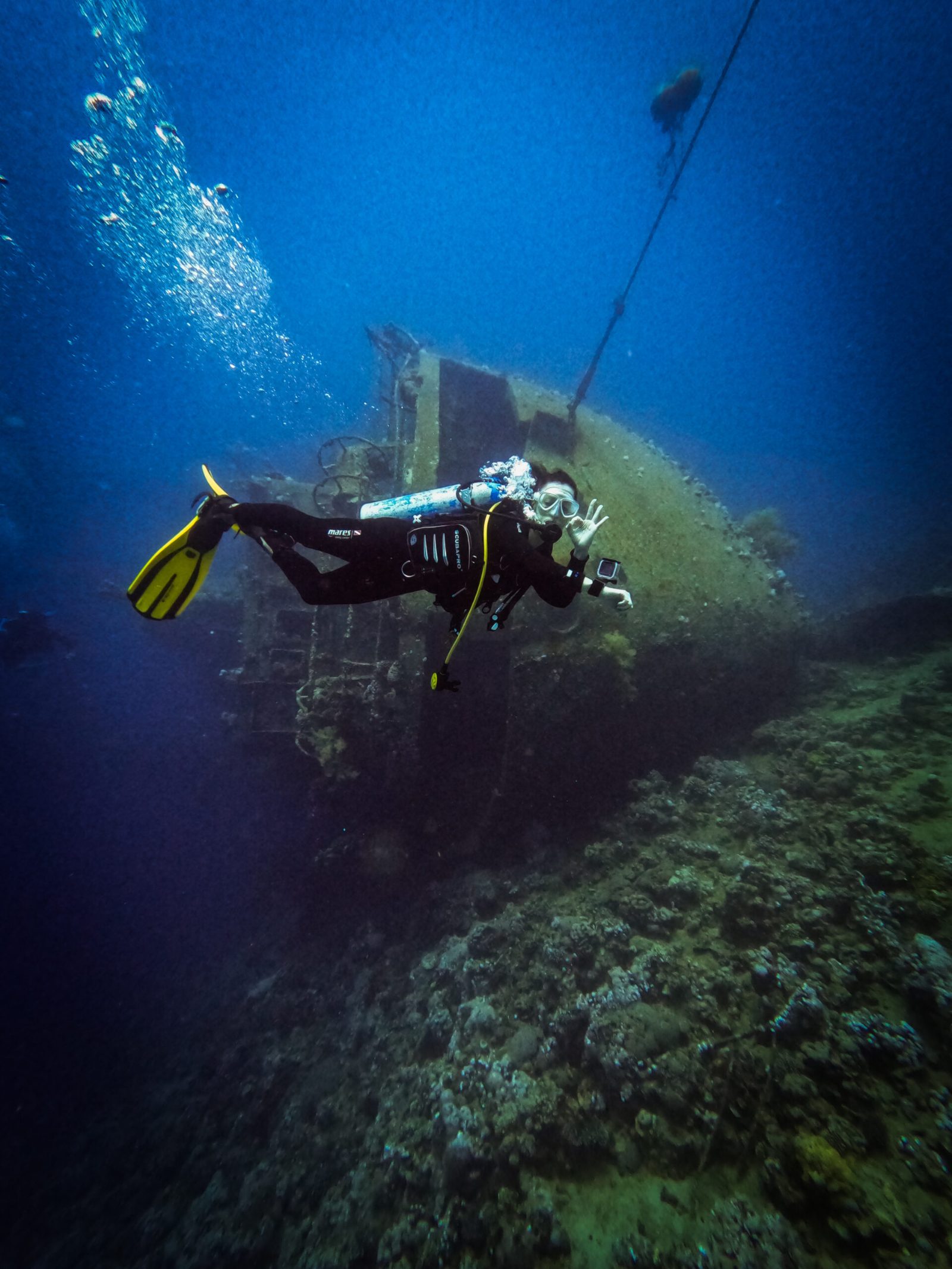
Cedar Pride
This 74-meter Lebanese freighter was scuttled in 1985 and now rests on its side between two reefs. It is covered in soft corals and provides a habitat for various marine species.
Swim through the cargo hold to see the ship's mast.
The southern Jordanian coastline holds one of the Red Sea's most accessible concentrations of coral gardens, wrecks, and drop-offs. This guide covers the practical logistics of diving Aqaba's marine park sites: where they are, when you can access them, and what each location offers beneath the surface.
Quick answer
Aqaba dive sites operate daily from 08:00 to 19:00 with no entrance fee to the marine park itself, though private beach clubs controlling shore access may charge separate facility fees. The best arrival window is 08:00–11:00 when visibility peaks, water temperatures remain cooler, and dive centers have full gear and guide availability. Most sites concentrate along South Beach within the Aqaba Marine Park, a protected corridor stretching several kilometers south of the city center.
Jordan's 27-kilometer Red Sea coastline compresses more named dive sites per linear kilometer than almost anywhere else in the region. The density stems from geography: a narrow coastal shelf drops quickly into the Gulf of Aqaba's deep trench, creating wall dives, coral slopes, and artificial reefs within easy shore access. The marine park structure divides the coastline into numbered sites, each marked by surface buoys and shore entry points. Shore dives dominate the scene—most locations require no boat, just a short swim from the beach to the reef edge. Cedar Pride, a deliberately sunk Lebanese freighter, sits in 27 meters and draws advanced divers. Japanese Garden and Rainbow Reef anchor the beginner circuit with gentle slopes and high fish density. Power Station offers a southern wall dive with strong current potential. The sites share common features: hard and soft corals thriving in water that rarely drops below 21°C, resident populations of lionfish and moray eels, and visibility that stretches past 30 meters on calm mornings. Gear logistics operate through beach-based dive centers rather than centralized rental depots. Centers cluster along South Beach, each controlling access to specific entry points. Independent divers with their own equipment can access public shore entries without center affiliation, though verifying current access rules with the marine park office prevents confusion. Tank fills, weights, and guides remain available through the centers. Marine park regulations limit certain behaviors—touching coral, feeding fish, and removing shells all carry penalties—but enforcement relies on dive guide oversight rather than stationed patrols. The park's protected status since 1997 has stabilized coral health despite the region's heavy shipping traffic and occasional industrial runoff from the northern port. Seasonal plankton blooms between March and May can reduce visibility temporarily but also draw pelagic species closer to shore. Most divers plan multi-day itineraries, logging three to four dives across different sites to sample the range. Single-dive visits concentrate on the Cedar Pride wreck or Japanese Garden for maximum variety in minimal time. The compact geography means you can surface at one site, walk ten minutes along the beach, and enter a completely different underwater terrain.
“The density stems from geography: a narrow coastal shelf drops quickly into the Gulf of Aqaba's deep trench, creating wall dives, coral slopes, and artificial reefs within easy shore access.”
The best arrival window for diving in Aqaba is 08:00–11:00, which offers optimal visibility and cooler temperatures. This time frame also ensures the best availability for gear and guides before midday activity peaks.
Pleasant 24°C–30°C; ideal for diving.
Water temperatures begin to rise, making long dives comfortable. Spring offers consistent visibility across most sites.
Hot 35°C+; high air temperatures.
Early morning sessions are necessary to avoid peak heat. Water temperatures reach their annual maximum.
Warm 25°C–31°C; cooling transition.
Water remains warm from summer, and visibility is typically excellent. This is a stable period for underwater conditions.
Cooler 18°C–22°C; brisk air.
Air temperatures require thermal protection during surface intervals. Water clarity is high, though winds can occasionally affect conditions.
—
Arriving during the 08:00–11:00 window provides the calmest water and priority access to equipment.
Verdict: For the best conditions, visit during the shoulder months of April or October and adhere to the 08:00–11:00 arrival window.
Access to the dive sites within the Aqaba Marine Park is free of charge. Costs only apply if you choose to utilize the facilities at private beach clubs.
Verdict: A typical adult pays 0 JOD for site access, with costs only increasing if choosing to visit a private beach club.
The dive sites within the Aqaba Marine Park operate on a consistent weekly schedule to accommodate divers and snorkelers. Access remains available daily throughout the week.
Aqaba hosts a variety of submerged attractions within the Red Sea, ranging from intentional shipwrecks to historical military equipment. These sites are situated along the South Beach coastline.
This 74-meter Lebanese freighter was scuttled in 1985 and now rests on its side between two reefs. It is covered in soft corals and provides a habitat for various marine species.
Swim through the cargo hold to see the ship's mast.
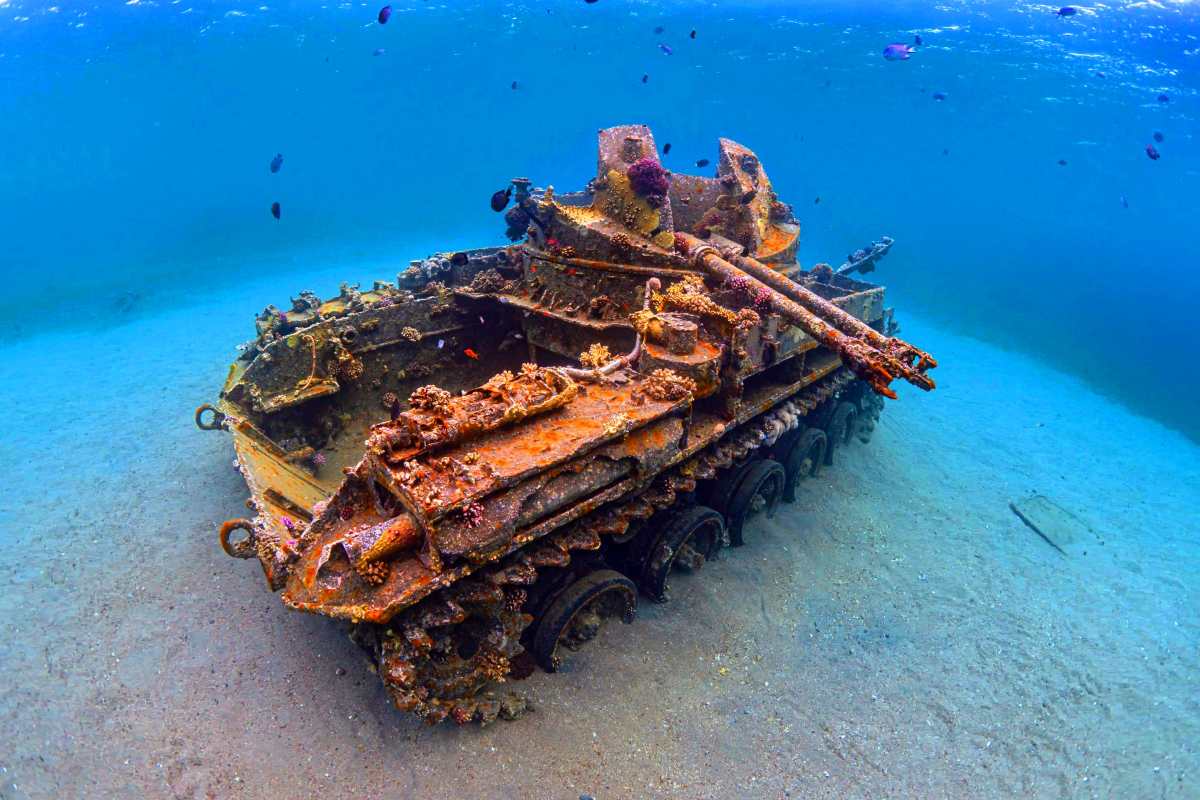
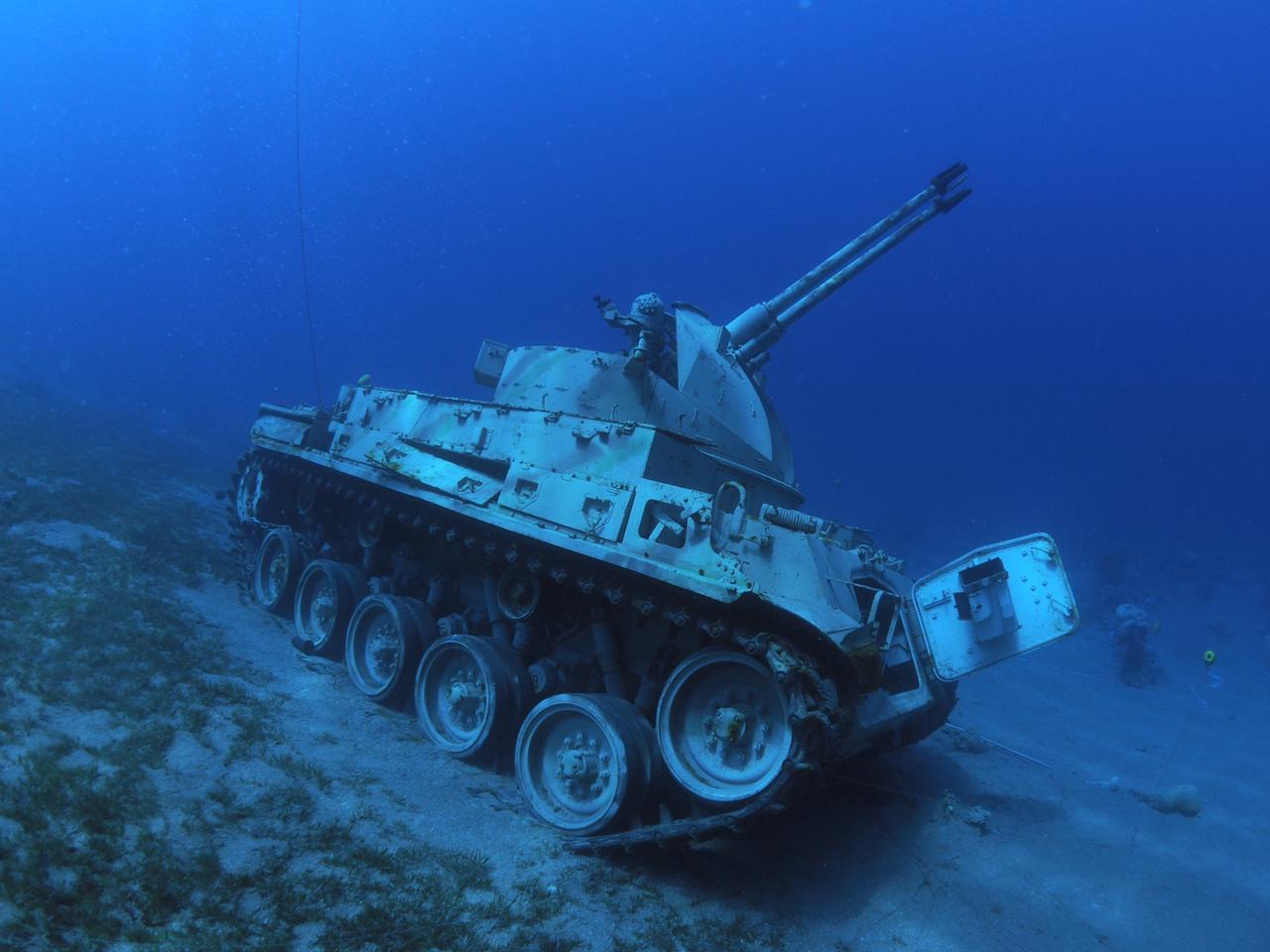
Known locally as the Anti-Aircraft Tank, this M42 Duster is submerged at a shallow depth of approximately 6 meters. It has become an artificial reef heavily encrusted with coral growth.
Visit during low tide to view it from the surface.
This site features a collection of seven concrete tanks and military vehicles positioned on the sandy seabed. It serves as a popular location for photographers interested in artificial reef development.
Look for the scorpionfish often camouflaged on the metal surfaces.
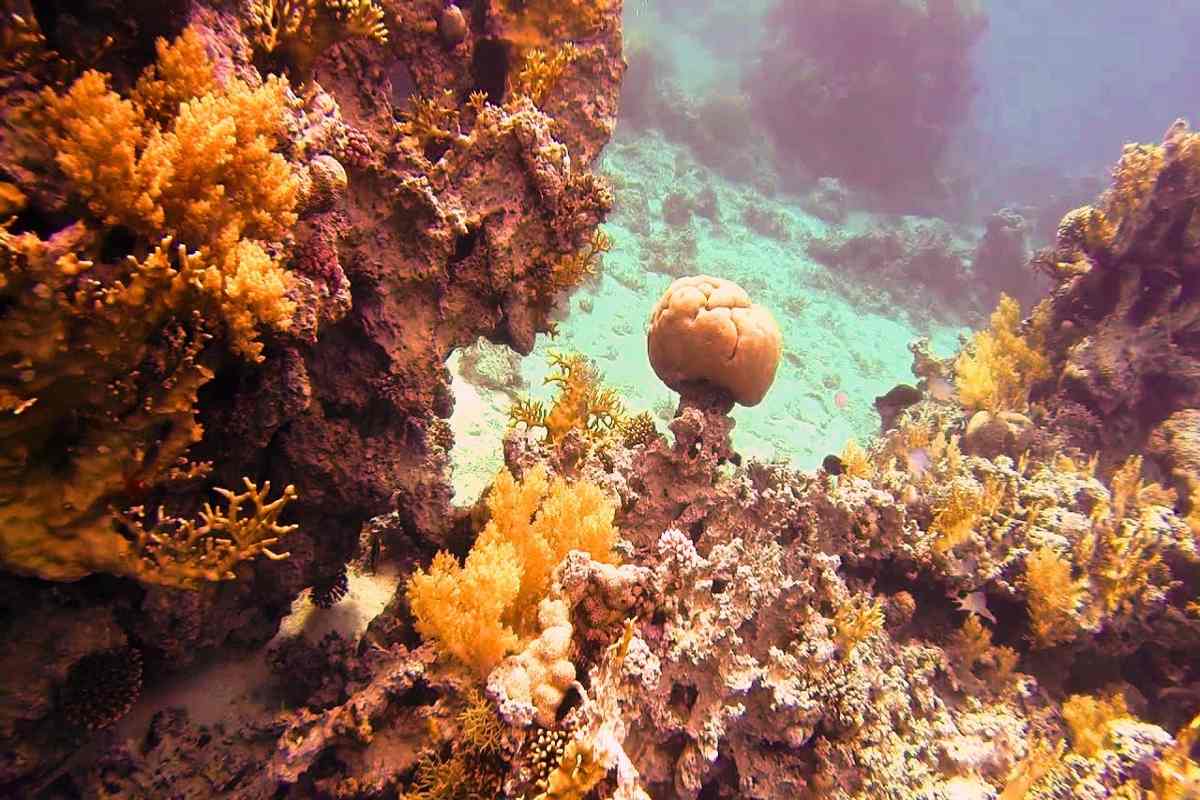
Located near the Cedar Pride, this site is characterized by vibrant coral pinnacles and diverse reef fish populations. The area is known for clear waters and moderate currents.
Observe the garden eels in the sandy patches nearby.
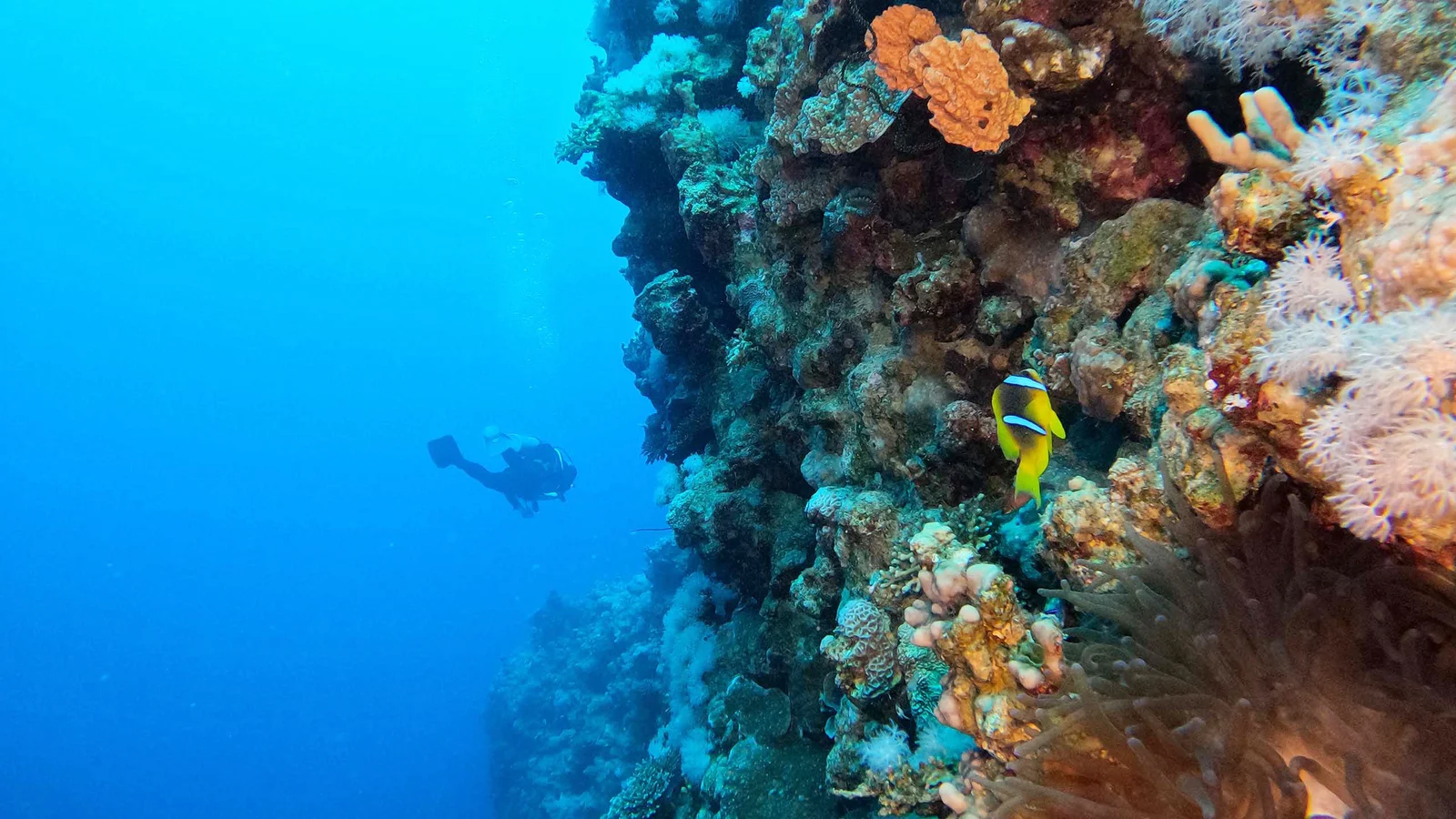
This dive site is named for the nearby power plant and features a steep drop-off that descends into deep water. It is known for larger pelagic fish and occasional turtle sightings.
Stay close to the wall to spot macro life.
The dive sites are located along South Beach within the Aqaba Marine Park. Reaching this area from central Aqaba is straightforward via the coastal road.
Follow the coastal road south from Aqaba city center
Direct service from central Aqaba to South Beach
Plan your travel to ensure you reach the site during the best arrival window of 08:00–11:00. Private transport or taxis are the most reliable methods, as public transit options to the Marine Park are limited.
Aqaba's coral reefs are fragile ecosystems protected by Jordan's Marine Park regulations. Following conservation protocols preserves the underwater environment for future divers and protects the biodiversity that makes these sites valuable.
Ensure you have the right credentials, gear, and documentation before heading to the dive sites.
Everything you need to know about aqaba dive sites
Access to aqaba dive sites is 0 JOD, meaning there is no entry fee for the sites themselves. Please note that private beach clubs in the area may charge their own separate access fees for their facilities.
You can visit these locations any day of the week between 08:00 and 19:00. These hours apply consistently from Monday through Sunday throughout the year.
The primary underwater spots are situated along the South Beach within the Aqaba Marine Park. This coastal area offers diverse coral reefs and unique submerged wreckage for exploration.
Many aqaba dive sites are accessible to families, though activities like snorkeling or introductory dives require appropriate supervision. Always confirm age and skill requirements with your local guide before entering the water.
We recommend arriving between 08:00–11:00 to enjoy the best visibility and cooler morning temperatures. This window also ensures better availability for equipment rentals and local dive guides.
While you do not need to pay an entrance fee to access the aqaba dive sites, booking services like guided excursions or gear hire in advance is recommended. This helps ensure your spot with professional operators during peak periods.
Yes, while the marine park itself is public, many coastal segments feature private beach clubs. These venues provide amenities such as showers, loungers, and equipment storage for a fee.